
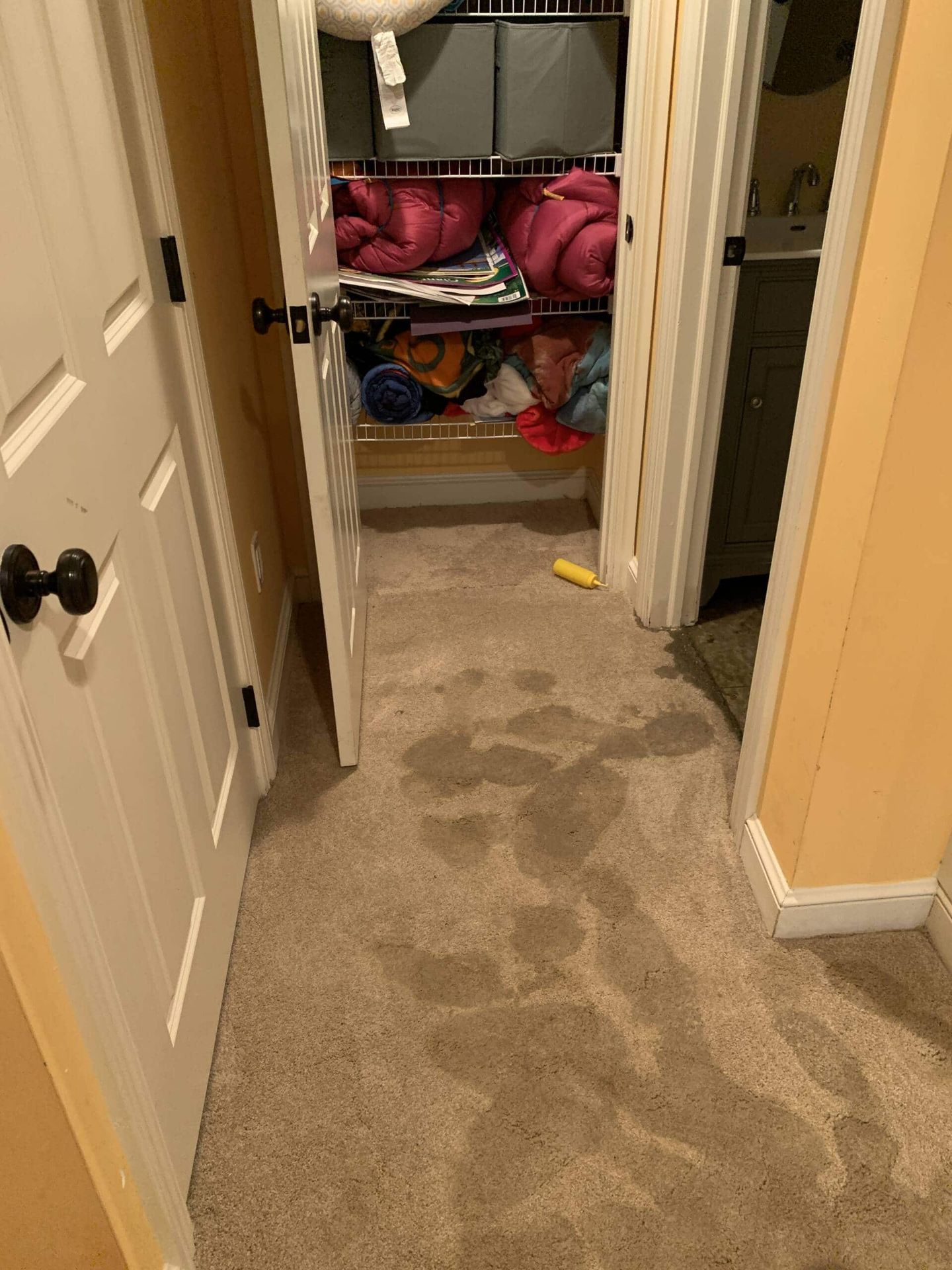
First, identify how water entered
A supply leak, failed appliance and stormwater entry can leave similar wet floors but require different cleanup decisions. Describe when water appeared, whether it is still entering and which rooms are affected. Do not enter standing water near electrical equipment or cross a flooded road to reach the property.
Separate removal from restoration
Extraction removes accessible water. Moisture may remain in wall cavities, under flooring and behind cabinets. Ask the assessor to explain where moisture readings will be taken, whether contents must be moved and which materials may need controlled removal. The extraction quote should make its limits clear.
Agree on access and follow-up
Have the full Phoenix address, building access instructions and the person authorized to approve work ready. Ask whether extraction equipment, disposal, after-hours attendance and a drying assessment are included. Request a written handoff when plumbing repair, roofing work or rebuilding belongs to another trade.
Common questions
Does extraction mean the room is dry?
No. Removal of visible water and verification of dry materials are different steps. Ask how moisture will be measured and documented.
What should I tell the assessor?
Describe the suspected source, water depth, affected materials, elapsed time and any electrical or structural concern. Avoid guessing that water is clean.
Prepare the written scope
Use the restoration quote comparison guide to separate the assessment, work and exclusions. For immediate preparation, read first steps after water damage.
Official resources
- Phoenix monsoon resources ↗
- EPA mold and moisture guidance ↗
- Arizona contractor license search ↗
- FEMA returning home after a flood ↗
Official resources provide general guidance. They do not establish a provider’s availability or endorse this website.